Uganda
Bwindi and Mgahinga
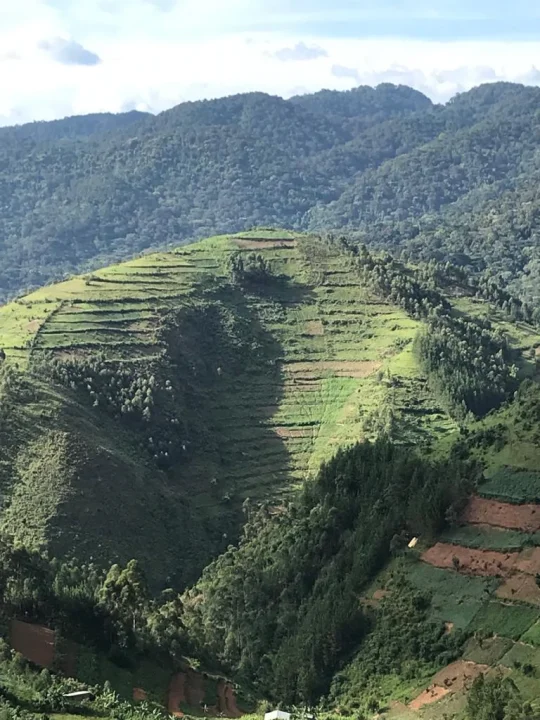
Two distinct park settings, with different locations and practical questions to settle.

Compare mountain-gorilla regions, understand the work around them, and prepare to observe with care.
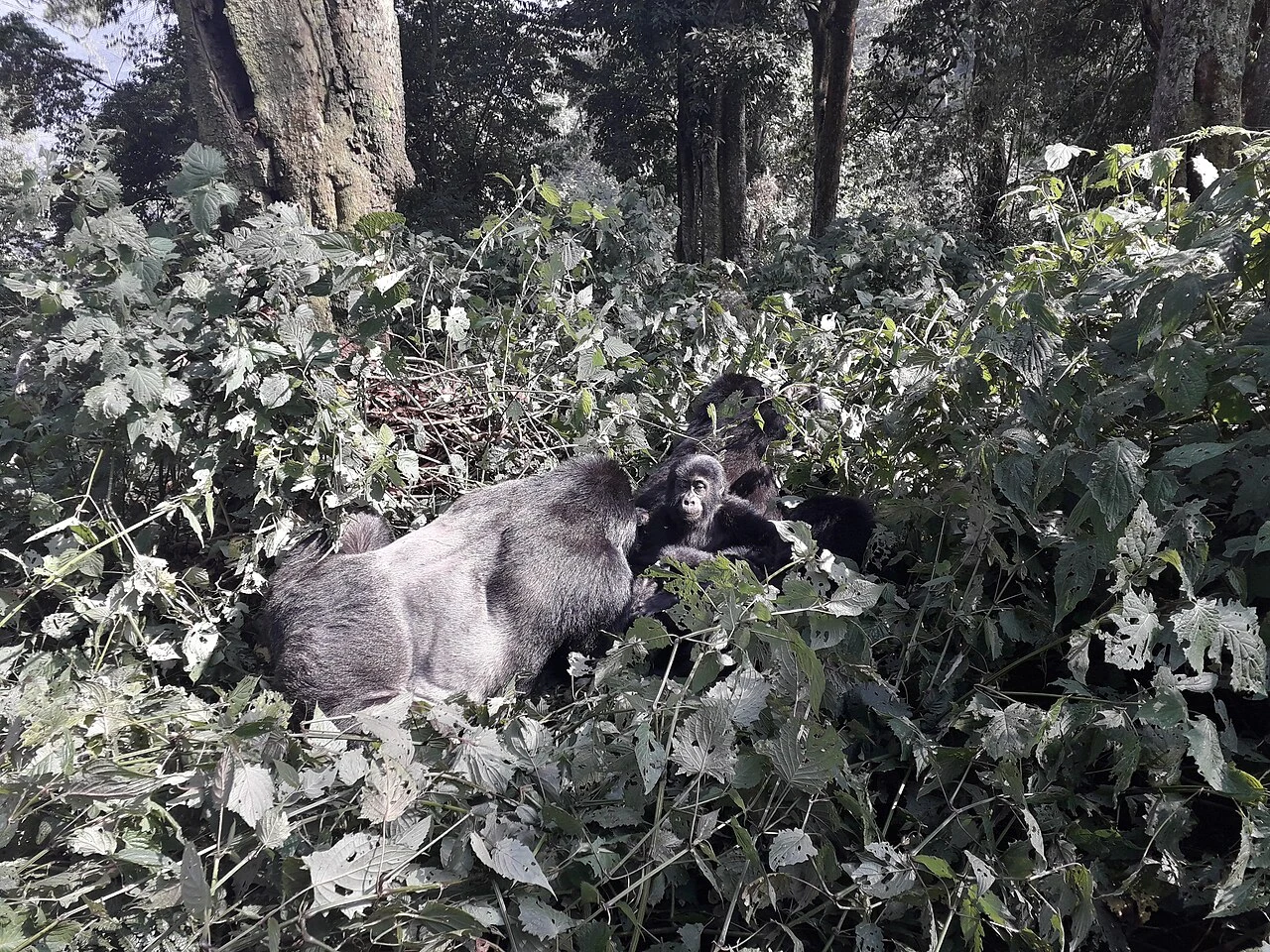
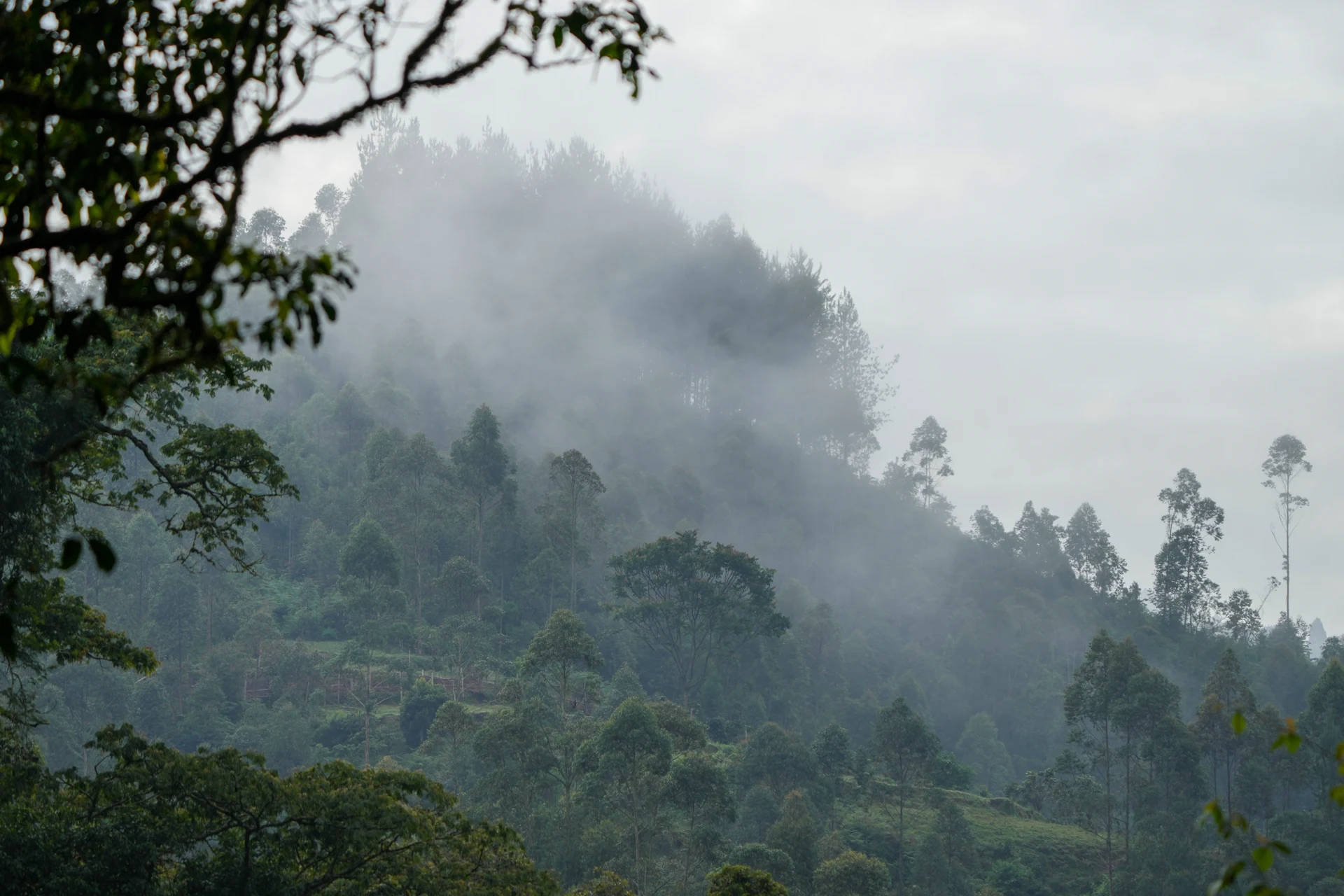
Mountain gorillas live within complex forests and landscapes shared with people. Read the region, give the habitat your attention and ask practical questions about the visit you are considering.
This independent guide brings Uganda, Rwanda and DRC conservation context into view while keeping their places and responsibilities distinct.
A published conservation voice
“We need more local champions, because these are the people who will become decision-makers for their communities and countries.”
Wildlife veterinarian and founder of Conservation Through Public Health, quoted in UNEP’s 2021 profile.
UNEP’s account connects her conservation work with community health, livelihoods and local leadership.
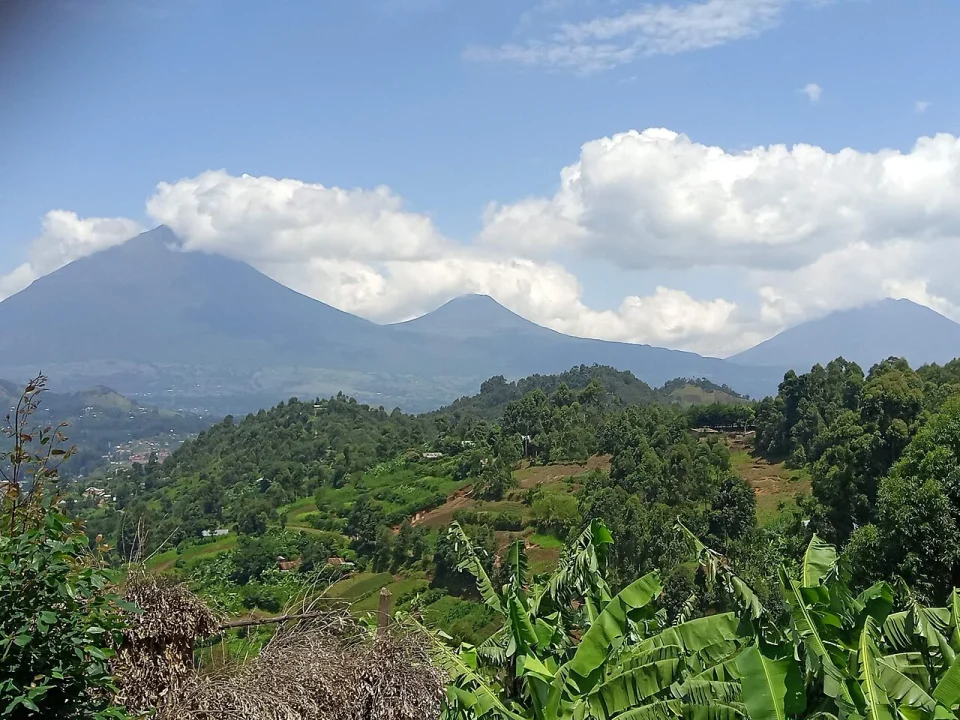
Start with a named place and its own context. A shared mountain landscape does not make visitor arrangements interchangeable.
Uganda
Two distinct park settings, with different locations and practical questions to settle.
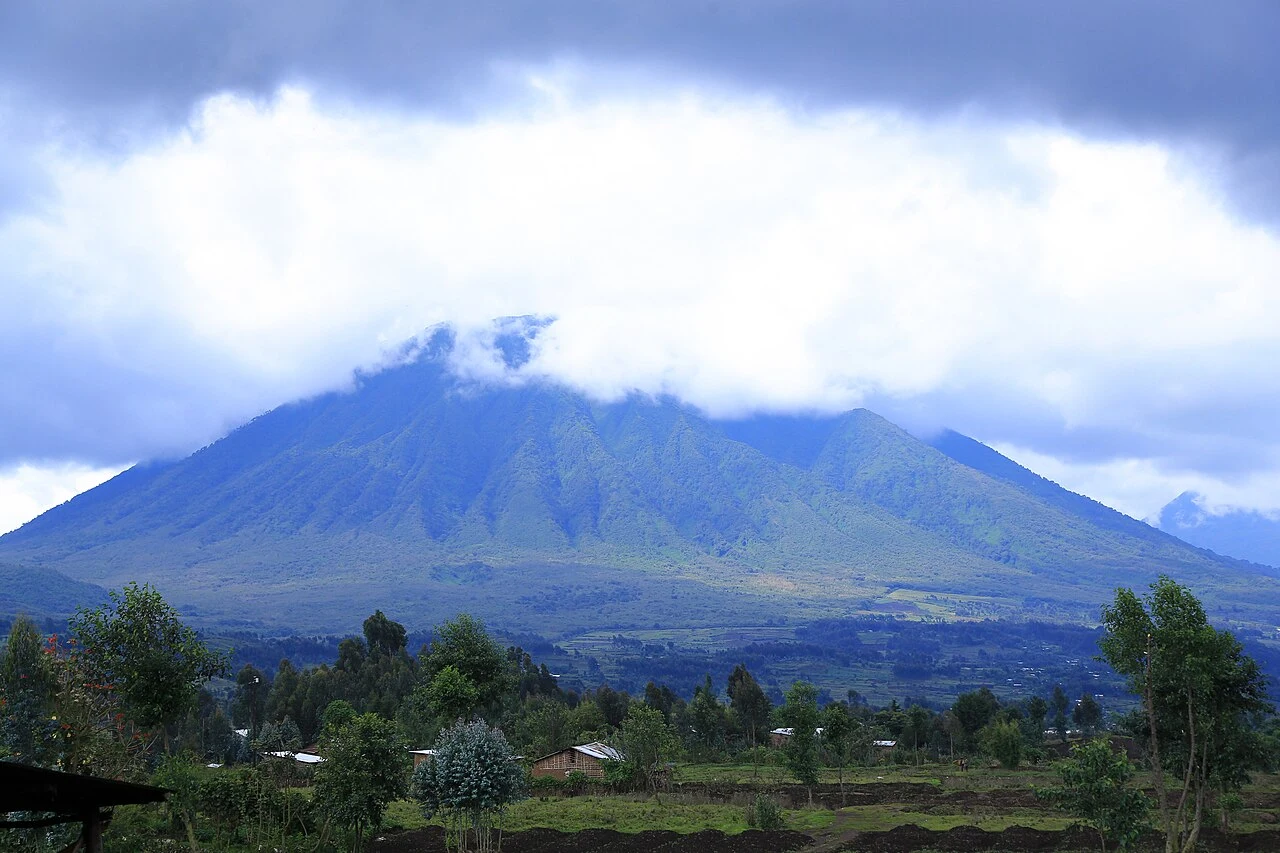
Rwanda
Read the forest alongside Kinigi and Musanze, while keeping their roles clear.
DRC belongs in the conservation story. Geographic inclusion here does not establish current access, permits or a cross-border route.
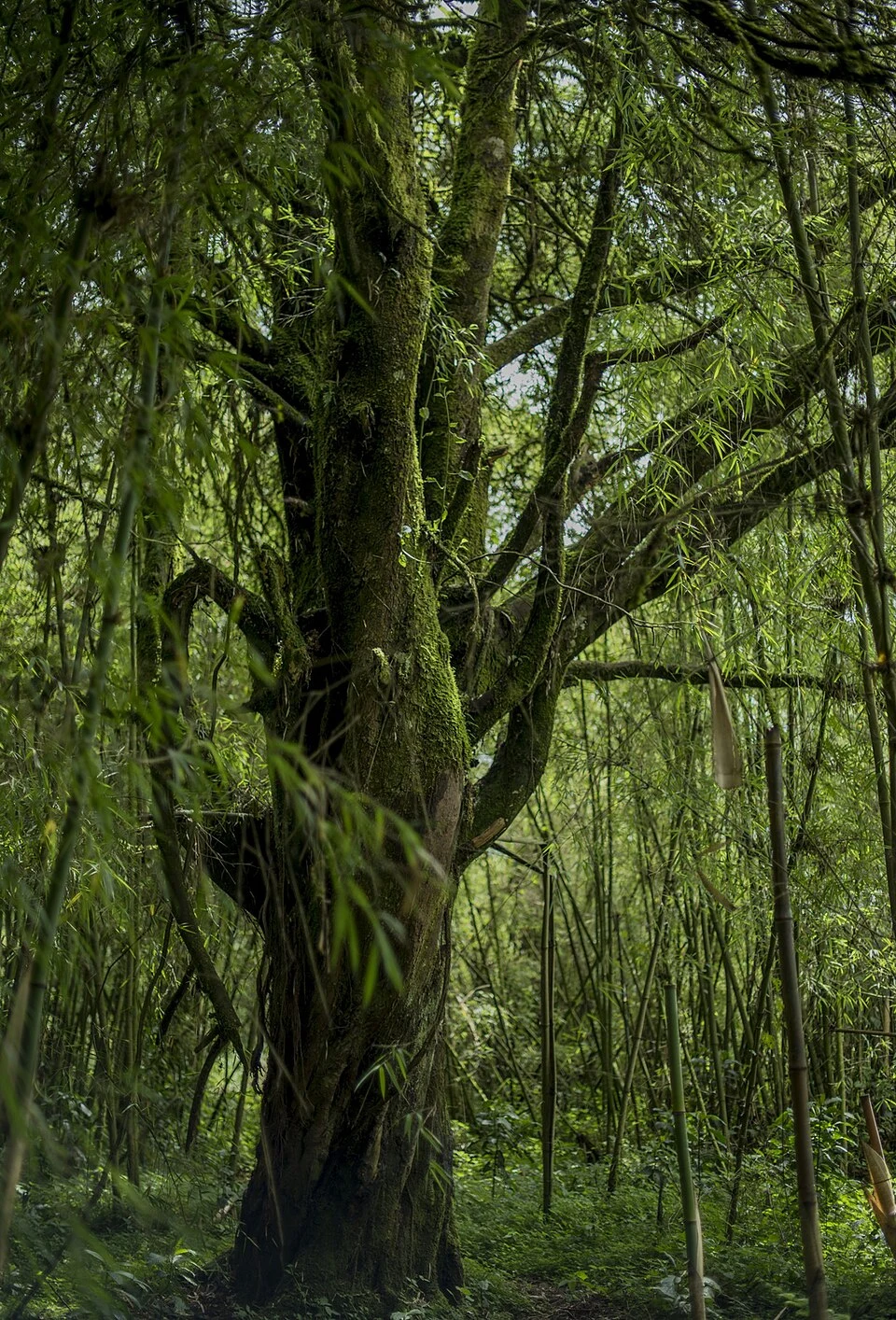
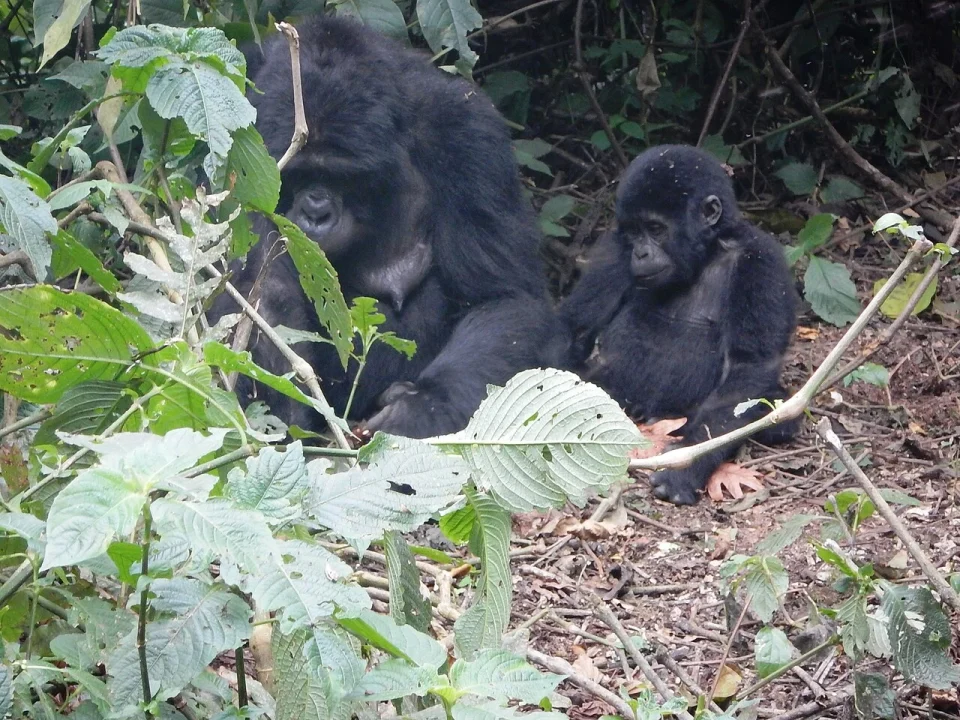
Undergrowth, changing light and time spent listening belong to the experience. Prepare to follow the actual briefing and observe without turning a photograph into a promise.
Fields, schools, businesses and homes are everyday places. Read about conservation through the work and perspectives of named people, with their sources intact.
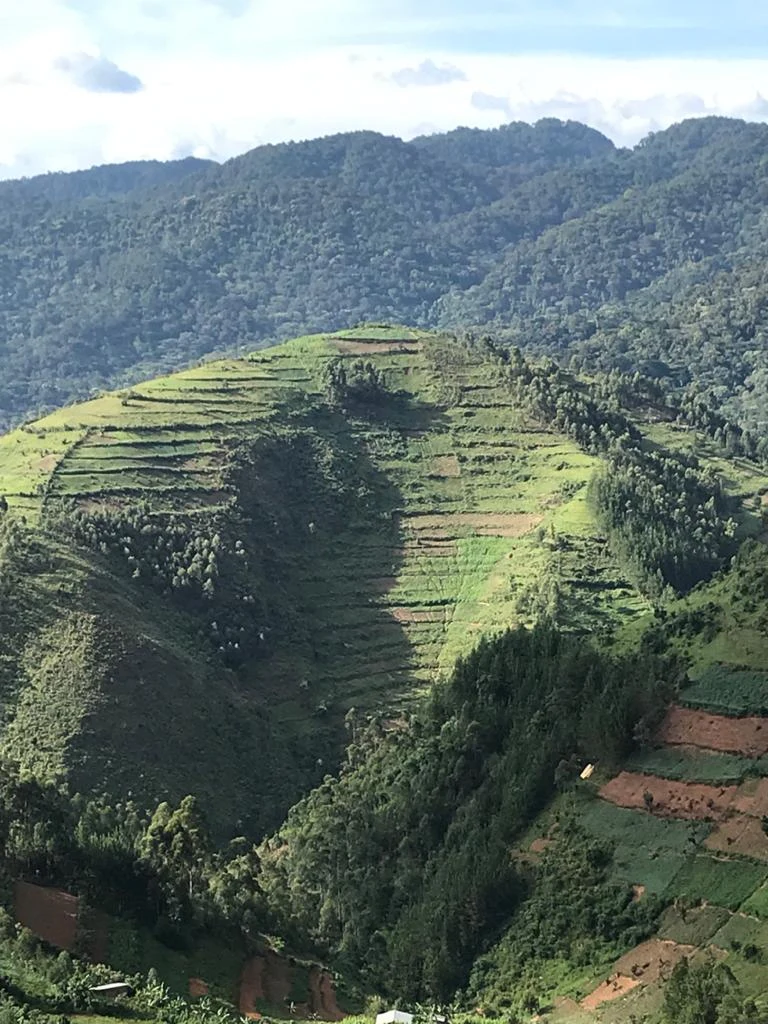

Compare the named route and its inclusions, then confirm the details with the responsible provider.
These listings cover Uganda and may include broader safari routes. Check the named park, starting point, permit inclusions and current access before choosing. Rwanda and DRC are separate regional contexts; these listings do not establish arrangements there.

Explore the natural and cultural richness of Zanzibar on a private guided tour of Jozani Forest and a traditional sp...

Based on our past positive reputation for the past years, we guarantee you that our team is so exceptional in delive...

Its an informative, breathe taking experience that makes theb visitor get a clear insight into the country's culture...
Read conservation voices with their names and sources intact, and consider livelihoods as part of the landscape rather than background scenery.
Read the guideOrganize the questions that make an encounter more considered: place, walking needs, briefing, equipment and the actual provider terms.
Read the guideUnderstand the Virunga Massif and DRC conservation context without turning a geographic overview into an access promise.
Read the guide

Only a 30-minute boat ride away from busy Kampala lies a magical place without traffic, fumes and hustler’s hassle...

Women-Guided Kampala walk Tour Discover Kampala, Uganda’s cultural capital, with inspiring female guides sharing t...

Join our walking tours every day at 10:00Am or 2:00pm and get a broader perspective about the Geo-political landscap...