
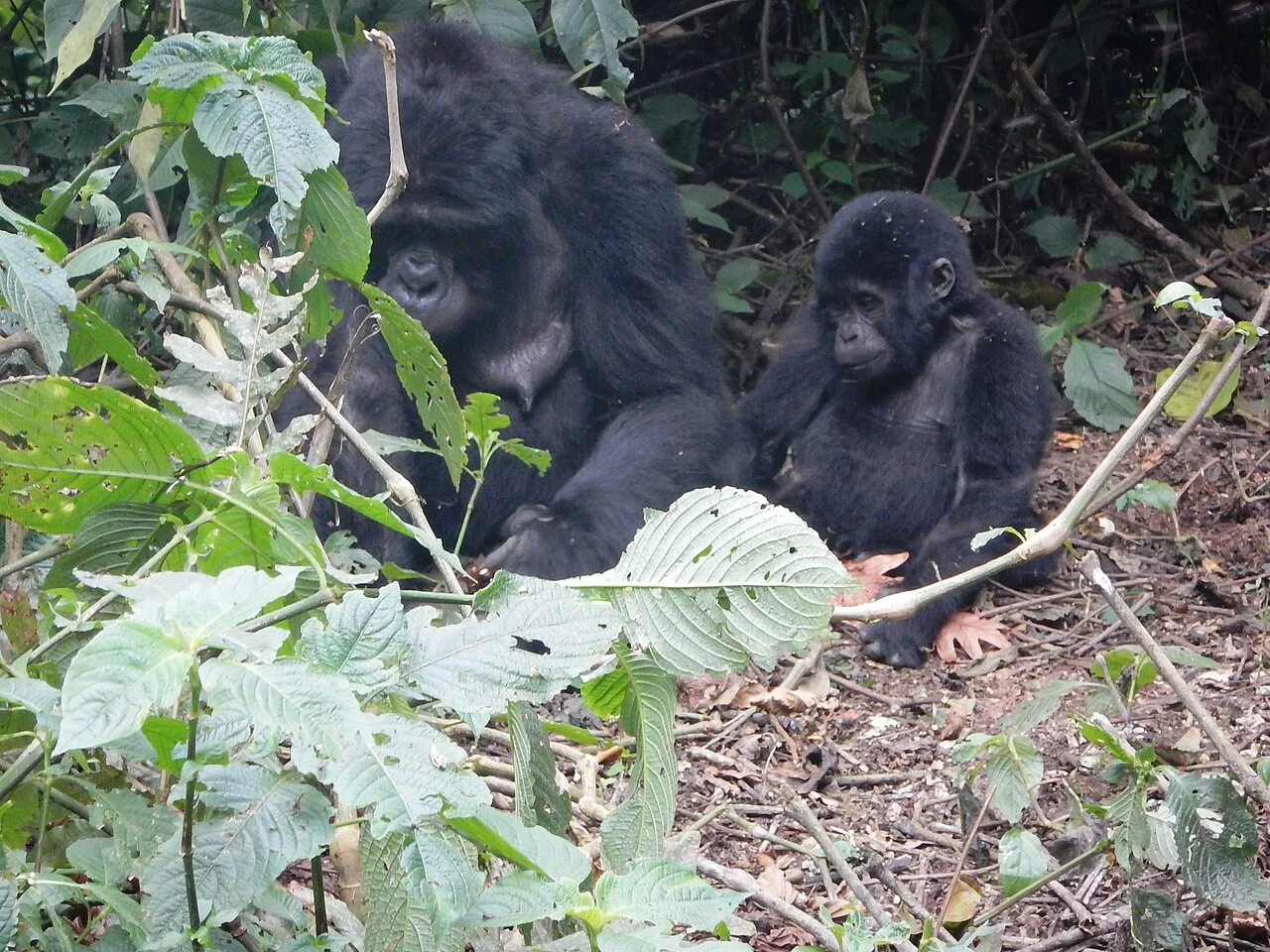

A thoughtful preparation list begins with the particular activity you are considering. Record its country, park, date and responsible provider. Then separate what has been confirmed from what is still a question. A broad description of gorilla trekking cannot settle the details of an individual booking.
The aim is to arrive ready to listen and observe. Wildlife follows its own patterns, and the people responsible for the activity must make decisions in the conditions they encounter. Keep flexibility in your expectations rather than treating a photograph or another visitor’s account as a script for your day.

Kampala’s Best Experience walking tour
Based on our past positive reputation for the past years, we guarantee you that our team is so exceptional in delivering what you deserve to get. This...

Kampala Cultural Tour
Its an informative, breathe taking experience that makes theb visitor get a clear insight into the country's culture...

The Best 1Day Jinja Tour & source of the Nile River Experience
Jinja is arguably Uganda’s heartbeat, it is a gem of unrivaled beauty, an asset to Uganda of humongous economic po...

Lake Victoria Island Cycling Tour from Kampala
Only a 30-minute boat ride away from busy Kampala lies a magical place without traffic, fumes and hustler’s hassle...
Describe your needs clearly
Think about the parts of a walk or journey that may require support. Ask about the actual terrain, available assistance, communication, equipment and the process if plans need to change. Give a provider specific information that helps them answer; an all-purpose claim of suitability is less useful than a practical explanation.
If a personal health question affects your decision, seek advice from a qualified professional who understands your circumstances. Ask the responsible park or provider for its current visitor requirements. This editorial guide does not assess individual fitness or replace a current briefing.
Read the briefing as part of the experience
Visit Rwanda’s official tracking guidance describes a briefing and guided arrangements. Requirements belong to the particular authority and activity, so check the relevant official source for your chosen place. Do not assume that a rule or procedure remembered from another trip applies unchanged.
Listen for instructions about where to stand, how to move, when to pause and how photography is managed. Ask for clarification when something is unclear. Respecting a limit is part of observing well, even when the view differs from the picture you had hoped to make.
Pack around the confirmed arrangement
Ask what you need to bring and what, if anything, is supplied. Organize equipment so that you can follow instructions without repeatedly unpacking. Practise using a camera quietly before the trip, check how to disable features when required and consider how you will protect belongings in changing weather.
Carry only what fits the provider’s guidance and your actual needs. Check arrangements for water, food, storage and any assistance rather than relying on a generic online packing list. The useful answer is the one that applies to the named activity, not the longest list of gear.

Keep a clear record of the service
Before committing, read the itinerary, meeting instructions, inclusions, exclusions and change terms together. Establish whether permits or other required components are included and who confirms them. Keep the written confirmation accessible and use the contact details supplied by the responsible provider for booking questions.
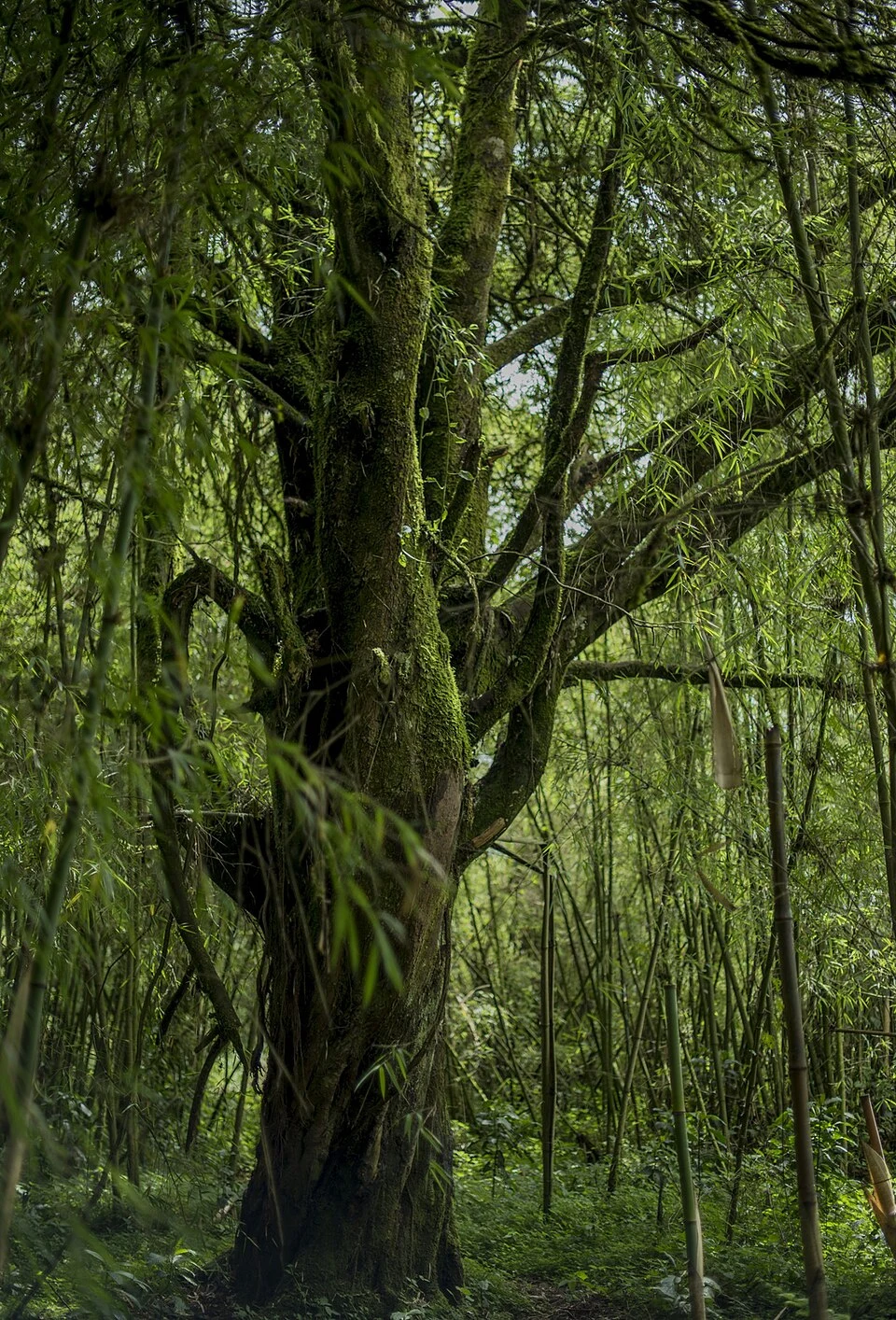
Photography on this site is documentary context. It does not promise a particular animal, group, duration or proximity. A complete habitat image can be a better reminder of that uncertainty than a tightly isolated portrait: vegetation, light and space remain part of the encounter.
Make room for the people around you
Be considerate of other participants and the professionals doing their work. Ask before photographing a person, respect their answer and avoid interrupting a task for a picture. If a local contributor shares a story, keep their name, role and own explanation with it.

Kampala Walking City Tours (Women-Guided)
Women-Guided Kampala walk Tour Discover Kampala, Uganda’s cultural capital, with inspiring female guides sharing the city’s vibrant history, marke...

Steve Kampala Walking tours (Airpals Safaris tour)
Join our walking tours every day at 10:00Am or 2:00pm and get a broader perspective about the Geo-political landscap...

Best Jinja source of the River Nile day experience
This 1 day best of jinja tour is a great way to explore a mix of cultures, nature, history and new experiences with...

3-Day Safari Murchison Falls Safari
Travelling to Murchison falls National Park makes one modest. You see what a tiny place you occupy in the world, we...
For a regional starting point, read Bwindi and Mgahinga or Rwanda’s Volcanoes context. Then return to the current instructions for your specific visit. Preparation is most useful when it leaves you ready to respond thoughtfully to the real place.