
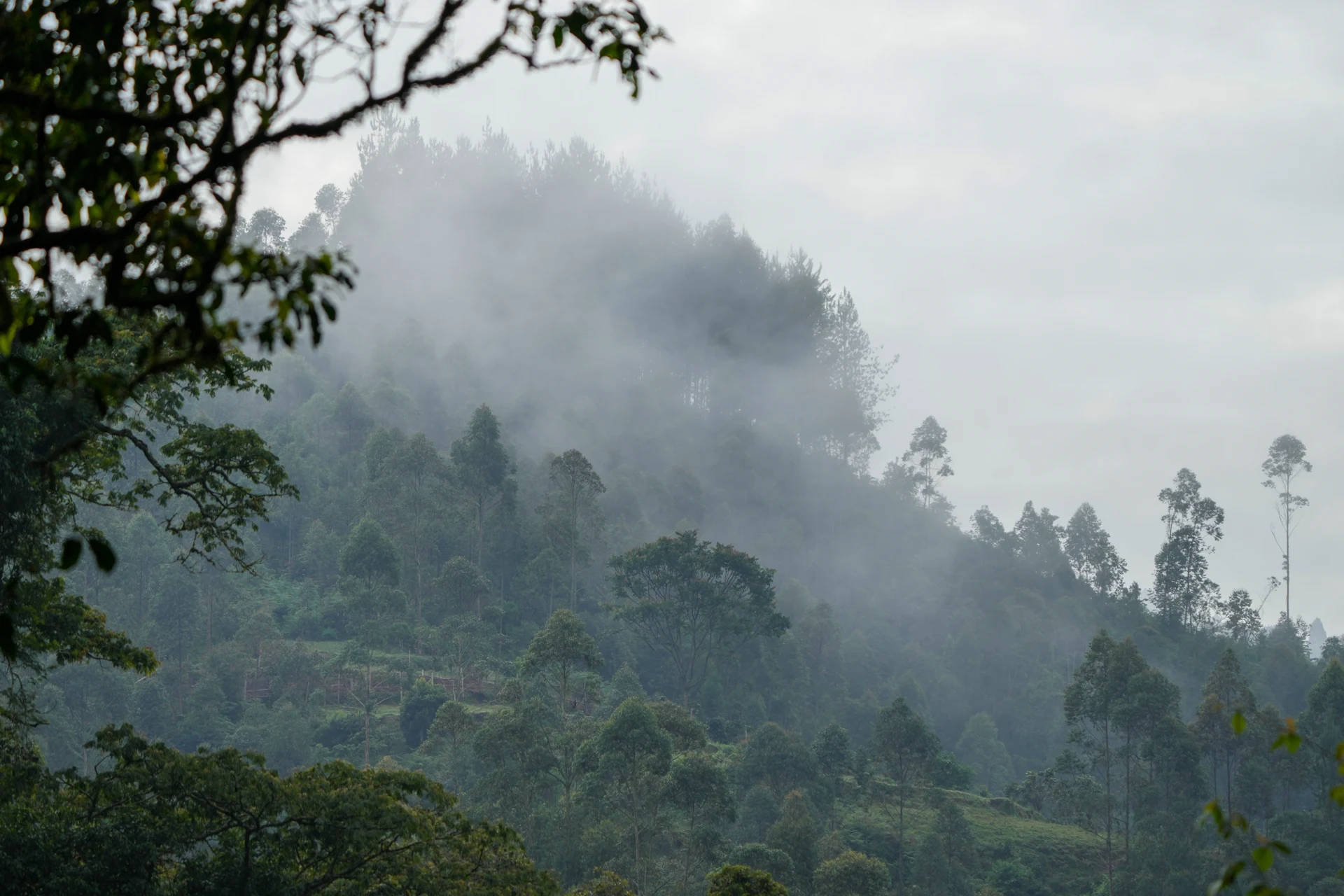

A country name is a starting point for a conversation. It does not identify the forest, the starting place or the arrangements for a particular visit. Uganda’s mountain-gorilla context includes Bwindi Impenetrable National Park and Mgahinga Gorilla National Park. Treat them as distinct places when you read an itinerary, choose where to stay or ask a provider to explain a route.
Keep the actual park name beside every important decision. A photograph, a broad regional label or a hotel description may help you imagine the setting, but it cannot confirm where an activity takes place. The most useful plan is one you can describe in clear place names before discussing its finer details.

Kampala’s Best Experience walking tour
Based on our past positive reputation for the past years, we guarantee you that our team is so exceptional in delivering what you deserve to get. This...

Kampala Cultural Tour
Its an informative, breathe taking experience that makes theb visitor get a clear insight into the country's culture...

The Best 1Day Jinja Tour & source of the Nile River Experience
Jinja is arguably Uganda’s heartbeat, it is a gem of unrivaled beauty, an asset to Uganda of humongous economic po...

Lake Victoria Island Cycling Tour from Kampala
Only a 30-minute boat ride away from busy Kampala lies a magical place without traffic, fumes and hustler’s hassle...
Give Bwindi its own geography
UNESCO’s Bwindi description places the park in south-western Uganda and emphasizes the meeting of forest environments, rich vegetation and surrounding agricultural landscape. A mountain-gorilla photograph is one part of that larger setting. Trees, ferns, ridges and the cultivated edge belong in the picture too.
Ask which part of the park the proposed visit concerns and where the required reporting point is located. Then compare that answer with the named accommodation and transfer plan. A general reference to staying “near Bwindi” is less useful than a written explanation of how the specific arrangements fit together.
Read Mgahinga as a different setting
Mgahinga belongs to the Ugandan side of the Virunga mountain landscape. Keeping its name distinct from Bwindi helps prevent an attractive regional photograph from becoming an assumed itinerary. The mountains seen across a broad view are a geographic reference; they do not establish a walking route, border crossing or current visitor arrangement.
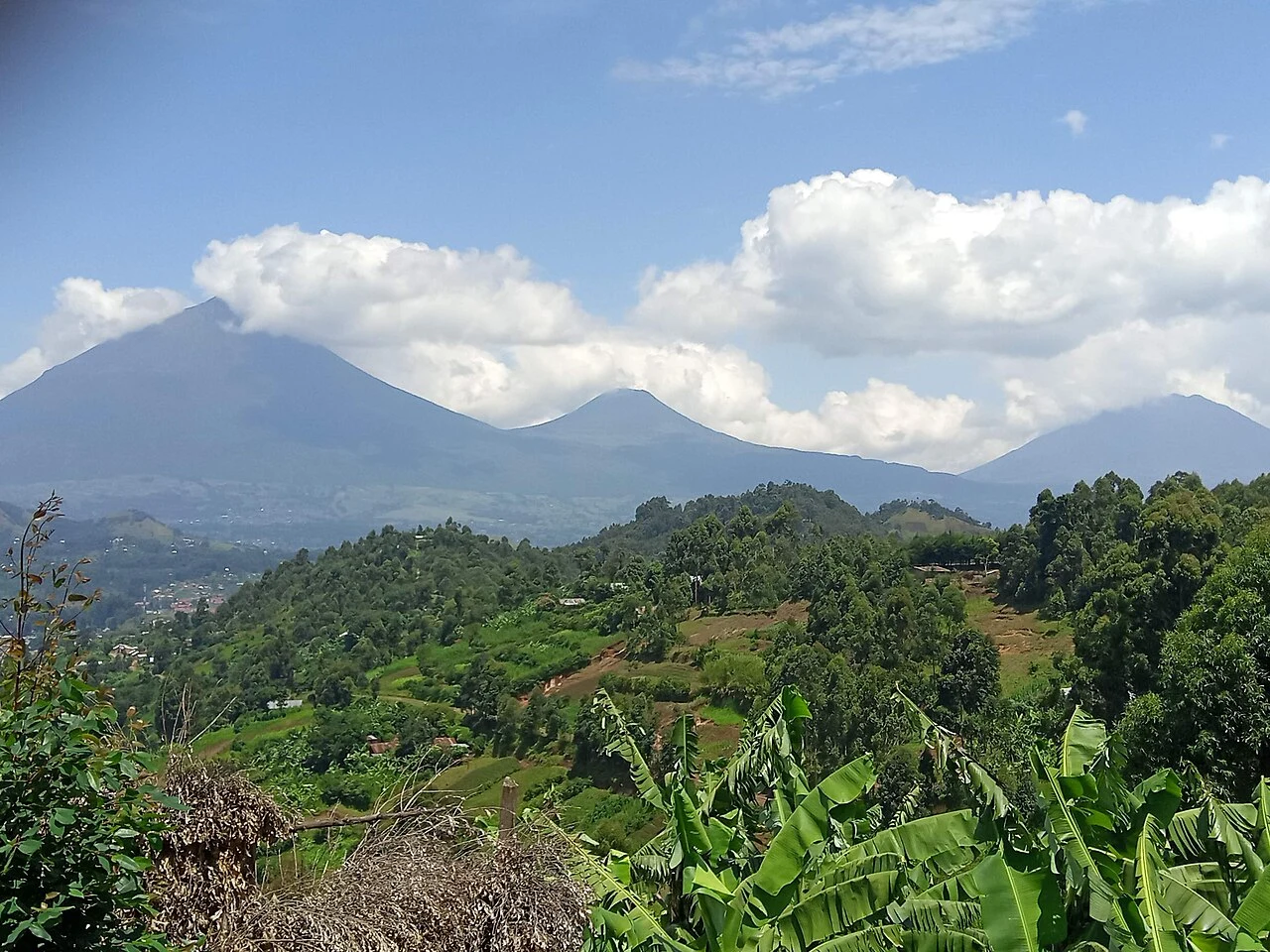

If an offer includes more than one place, ask the provider to separate the travel days, overnight locations and activities. Check what is included in each component and which organization is responsible for it. A combined trip should be understandable as a series of named arrangements, rather than a single appealing label.
Make a useful comparison sheet
| Detail | What to establish |
|---|---|
| Park and starting point | The exact place named in the activity confirmation |
| Accommodation | The location and how it connects with the stated reporting point |
| Transport | Which journeys, meeting arrangements and responsibilities are included |
| Conditions | What the provider will do if the planned arrangements change |
Keep written answers together with the current terms. If two providers use different descriptions, ask what those differences mean for your own trip. A shorter description is not necessarily a simpler service; equally, a long list of inclusions can leave a crucial transfer or requirement unclear.
Leave room for the wider place
Forest-edge communities are places where people live and work throughout the year. Allow time to understand ordinary services, meals and the setting around your stay without treating residents as an attraction. Ask permission before photographing people and let any contributor explain their own work.

Kampala Walking City Tours (Women-Guided)
Women-Guided Kampala walk Tour Discover Kampala, Uganda’s cultural capital, with inspiring female guides sharing the city’s vibrant history, marke...

Steve Kampala Walking tours (Airpals Safaris tour)
Join our walking tours every day at 10:00Am or 2:00pm and get a broader perspective about the Geo-political landscap...

Best Jinja source of the River Nile day experience
This 1 day best of jinja tour is a great way to explore a mix of cultures, nature, history and new experiences with...

3-Day Safari Murchison Falls Safari
Travelling to Murchison falls National Park makes one modest. You see what a tiny place you occupy in the world, we...
Use the Uganda Wildlife Authority’s park information as an official starting point, then verify the current requirements for the exact proposed activity. Our preparation guide helps organize those questions. No general page can confirm an individual permit, transfer or wildlife encounter.