
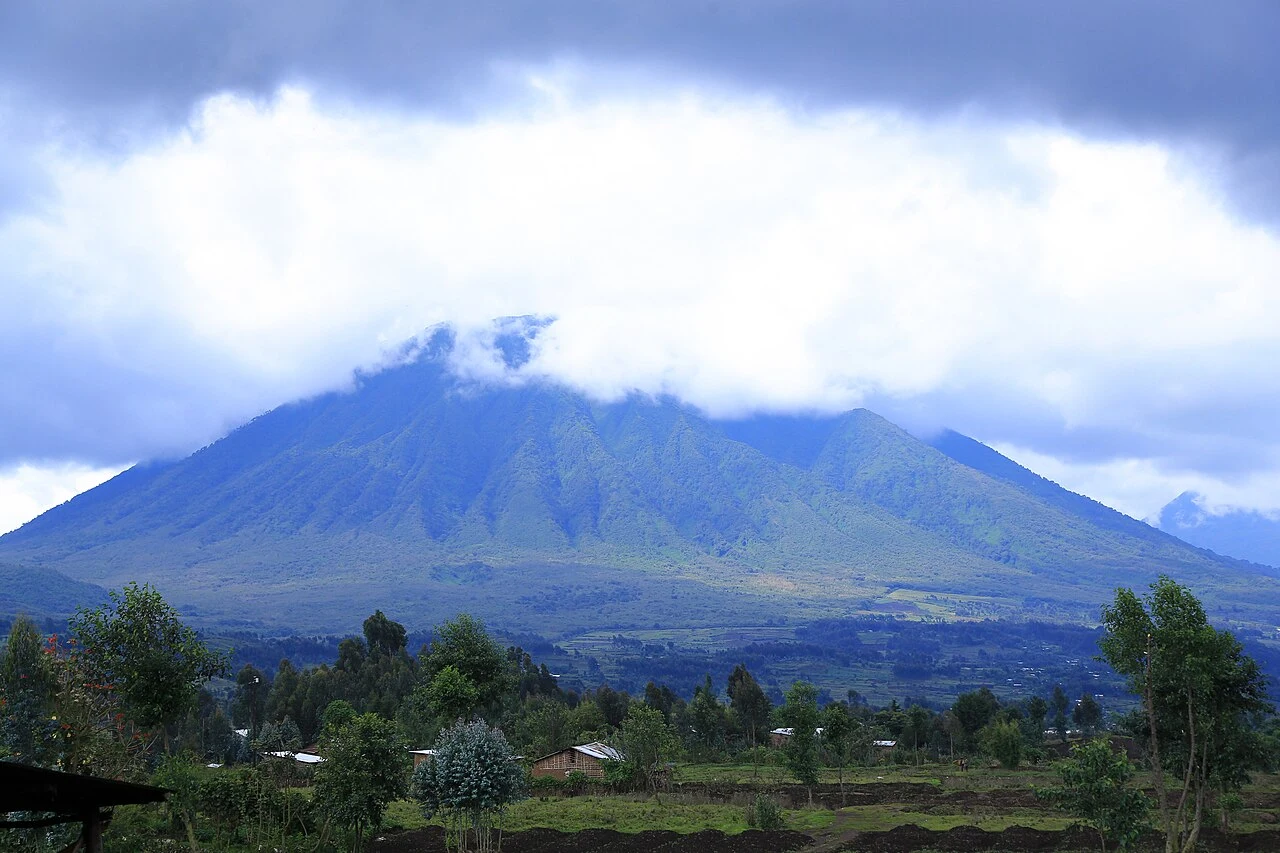

Rwanda’s mountain-gorilla setting is more than a photograph of a volcanic skyline. Volcanoes National Park, its surrounding countryside and the city of Musanze each have a different role in a visit. Begin by separating the forest activity from the places where you arrive, stay, eat and organize your day.
That distinction makes a provider conversation more useful. You can ask about a named activity and a named meeting point, then check how the accommodation and transport connect with them. Descriptions such as “the gorilla region” are helpful orientation, but they do not replace the details of the actual arrangement.

Lake Victoria Island Cycling Tour from Kampala

Kampala Walking City Tours (Women-Guided)
Women-Guided Kampala walk Tour Discover Kampala, Uganda’s cultural capital, with inspiring female guides sharing t...

Steve Kampala Walking tours (Airpals Safaris tour)
Join our walking tours every day at 10:00Am or 2:00pm and get a broader perspective about the Geo-political landscap...

Best Jinja source of the River Nile day experience
This 1 day best of jinja tour is a great way to explore a mix of cultures, nature, history and new experiences with...
A forest within a volcanic landscape
Visit Rwanda’s park introduction provides the official regional starting point. The wider Virunga Massif spans national borders, while a visit described as Volcanoes National Park concerns a specific Rwandan park and its own procedures. Do not transfer an access assumption from one country or protected area to another.
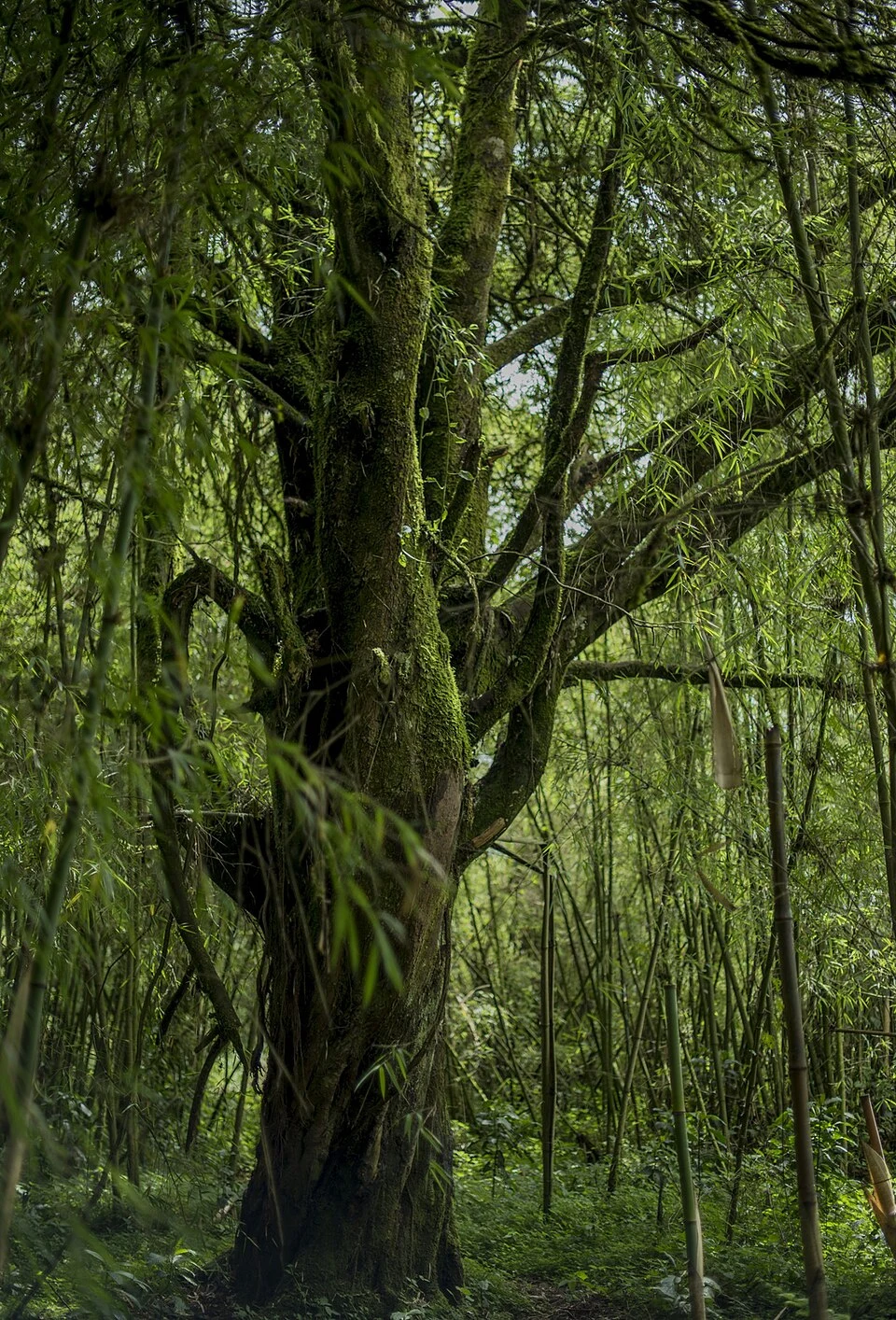

A forest photograph can show tangled stems, changing light and the complexity of vegetation. It cannot tell you how long a particular walk will take or what will be encountered. Keep that uncertainty in the plan and listen to the people responsible for the activity when they explain the conditions.
Keep Musanze and Kinigi distinct
Visit Rwanda describes Musanze as a place of business, agriculture, markets and everyday services as well as tourism. Kinigi is separately named in the tourism authority’s gorilla-tracking information. Ask your provider to state the exact reporting arrangements instead of assuming that a city address and a park meeting point are interchangeable.
When choosing a stay, think about more than a distant mountain view. Consider the services you want nearby, the journey required for the proposed activity and the amount of time you would like in the surrounding place. Request practical answers about meals, transport and the timing of the provider’s own arrangements.
Ask how the day is organized
The official gorilla-tracking page describes guided groups and a briefing process. Read the current version when making plans, and ask which details apply to your intended date and booking. Published general information is not a confirmation that a particular space, guide or service has been reserved.
Explain your walking and communication needs in concrete terms. Ask what support is available, how instructions are shared and what happens if you cannot continue as expected. These are ordinary planning questions. Clear answers are more useful than an unsupported promise that an activity suits everyone.
Respect the work around the encounter
Rangers, trackers, porters and other workers have different responsibilities. Let the briefing explain who is doing what, and direct practical questions to the appropriate person. Follow the instructions given on the day, including any limits on movement, photography or time in a particular place.
Outside the forest, give residents the same consideration you would expect at home. Ask before making a portrait, respect a declined request and avoid describing a whole community through a brief visitor experience. The people and conservation guide offers a way to read published voices without treating the site as their employer or representative.

3-Day Safari Murchison Falls Safari
Travelling to Murchison falls National Park makes one modest. You see what a tiny place you occupy in the world, we usher you into different activitie...

8-Day Uganda Vacation Including Chimps and Gorilla Trekking
This tour combines safari, primates encounter, and relaxation in just one go. One is able to cover a number of exper...

Inside Kampala Walking Tour (Female Guided)
EMPOWER YOUR KAMPALA EXPERIENCE WITH A FEMALE-GUIDED WALKING TOUR. Explore Kampala's vibrant culture and history wi...

Affordable 2 days Murchison Falls and Wildlife Game Viewing
2 days Murchison falls Safari Uganda, Murchison Falls National Park has spectacular beautiful falls and are definite...
Finally, keep the current provider terms with your plan. Confirm the named route, meeting point, inclusions and change process before committing. Our regional context can help frame the questions; the responsible organizations must confirm the actual arrangements.

Zanzibar Jozani Forest and Spice Farm Tour with Swahili Lunch
Explore the natural and cultural richness of Zanzibar on a private guided tour of Jozani Forest and a traditional spice farm. Start your day after rea...

Kampala’s Best Experience walking tour
Based on our past positive reputation for the past years, we guarantee you that our team is so exceptional in delive...

Kampala Cultural Tour
Its an informative, breathe taking experience that makes theb visitor get a clear insight into the country's culture...

The Best 1Day Jinja Tour & source of the Nile River Experience
Jinja is arguably Uganda’s heartbeat, it is a gem of unrivaled beauty, an asset to Uganda of humongous economic po...